Compare and Connect with Trusted Interior Home Improvement Contractors
Compare local contractors to define project scope, verify experience, and set clear expectations for your interior home improvement.
Interior home improvement projects encompass a wide range of work aimed at enhancing the functionality, comfort, and aesthetic appeal of indoor living spaces. Common tasks include remodeling kitchens and bathrooms, installing new flooring, updating lighting fixtures, building custom storage solutions, and finishing basements or attics. These projects often involve multiple trades and require careful planning to ensure that the end result aligns with the property owner’s vision and needs. Understanding the scope of work involved helps homeowners communicate their goals clearly and ensures that contractors can provide accurate proposals that meet expectations.
Defining the scope of an interior home improvement project is essential for establishing clear expectations and avoiding misunderstandings. A well-detailed scope includes specific tasks to be completed, materials to be used, and the desired quality standards. It also helps property owners identify potential challenges early in the process and ensures that all parties are aligned on project objectives. Having a written scope of work can serve as a reference point throughout the project, making it easier to address changes or issues that may arise and to hold contractors accountable for delivering the agreed-upon work.
When comparing local contractors for interior home improvements, property owners should consider their experience with similar projects and their ability to handle the scope of work required. It’s helpful to review any available references or past project examples that demonstrate proficiency in the specific type of work needed. Additionally, verifying that service providers are transparent about their process and willing to provide written proposals helps ensure clarity and accountability. By focusing on the contractor’s expertise, communication style, and willingness to define project details in writing, property owners can make more informed choices and find service providers best suited to their interior improvement goals.
Compare local contractors by outlining your priorities, verifying experience, and setting clear expectations in writing.
- Compare Contractors - evaluate multiple service providers to find the best match for your interior home improvement needs.
- Define Project Scope - clearly outline the work to set expectations and avoid misunderstandings.
- Verify Experience - review the background and past work of local contractors to ensure quality.
- Document Agreements - keep all project details and expectations in writing to ensure clarity.

Clearly describe your interior home improvement project to help compare contractors, verify experience, and set expectations in writing.
- Define the scope of work clearly to ensure all project details are understood and agreed upon. - Verify that service providers can demonstrate relevant experience with similar interior home improvement projects.
- Compare multiple local contractors to assess their expertise and approach to interior renovations. - Confirm that all project expectations, deliverables, and responsibilities are documented in writing.
- Check references or reviews to gauge the quality of previous interior home improvement work performed by local contractors. - Ensure that the chosen service providers have a thorough understanding of your design preferences and functional needs.
- Assess the communication process of each contractor to determine how well they explain their methods and respond to questions. - Request detailed proposals that outline the scope, materials, and specifications to facilitate comparison and decision-making.
Compare local contractors, clarify project scope, verify experience, and set clear expectations in writing.



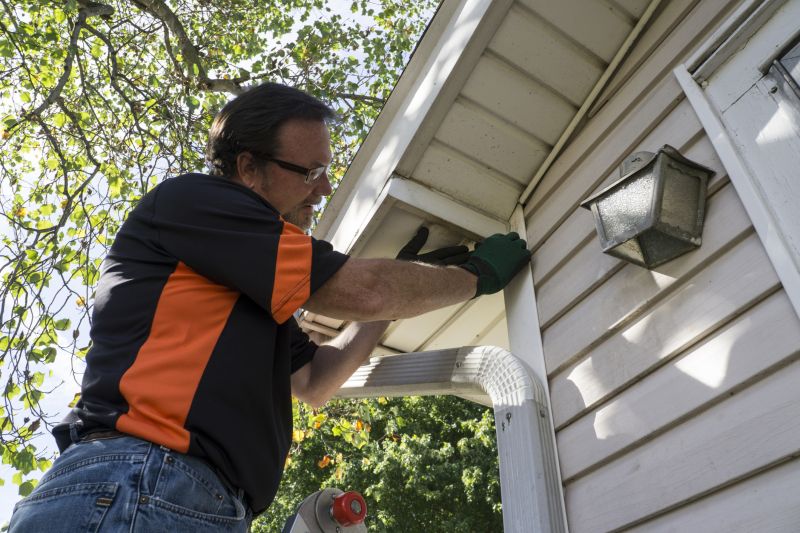
This scope builder helps compare interior home improvement contractors consistently by defining work, verifying experience, and setting clear expectations.
- Project Scope - Clearly outline the specific interior improvements to be completed, including room details and desired features.
- Material Selection - Define the types of materials, finishes, and fixtures preferred for the project.
- Experience and Expertise - Verify that local contractors have relevant experience with similar interior home improvement projects.
- Work Specifications - Document detailed descriptions of tasks, responsibilities, and expectations for the work to be performed.
- Written Agreement - Ensure all scope details and project requirements are documented in a formal written agreement.
When comparing contractors for interior home improvement projects, it’s important to evaluate their experience with similar types of work. Service providers who have a history of handling projects comparable in scope and style can offer insights into their familiarity with specific materials, design preferences, and construction techniques. Asking about past projects that align with the current renovation can help determine whether a contractor has the relevant background to meet expectations and navigate potential challenges effectively.
A clear, written scope of work is essential when assessing different service providers. A detailed description of the tasks, materials, and standards expected ensures that everyone is aligned on the project’s goals. This document serves as a reference point throughout the project and helps prevent misunderstandings. When reviewing proposals or estimates, look for contractors who provide comprehensive scope details, as this indicates professionalism and a commitment to transparency.
Verification basics are a key part of evaluating local contractors. Confirming their experience with similar projects, checking references, and reviewing any available portfolios can provide a better understanding of their capabilities. It’s also helpful to verify that the contractor has a consistent track record of completing projects to a standard that aligns with expectations. While licensing and certification are not discussed here, ensuring that service providers are reputable and have a history of successful work is a fundamental step in the selection process.
Evaluating options without focusing on prices involves examining the quality of communication, the thoroughness of written proposals, and the professionalism demonstrated during interactions. Consider how well each contractor understands the scope of work and whether they provide detailed, written documentation. Comparing these aspects can help identify service providers who are organized, transparent, and capable of delivering a smooth renovation experience. This approach supports making an informed choice based on experience, clarity, and reliability.
Request written scope and details from service providers to ensure clear expectations and consistent project understanding.
- Experience and Expertise - What specific experience do local contractors have with the type of interior home improvement project?
- Scope of Work - How clearly do contractors define the scope of work and deliverables in writing?
- Project Approach - What methods or processes do service providers use to ensure quality and consistency?
- Communication and Clarification - How do local contractors handle questions or changes to project scope during the work?
- References and Past Work - Can the service providers provide references or examples of similar interior projects they have completed?
How can I compare interior home improvement contractors? To compare contractors, review their experience, verify references, and assess their portfolios to ensure their work aligns with your project needs.
What should I consider when defining the scope of an interior renovation? Clearly outline the specific tasks, materials, and finishes desired, and communicate these details to ensure contractors understand your expectations.
How do I verify a contractor’s experience for interior projects? Ask for examples of similar completed projects and request references to confirm their expertise in the type of work you need.
Why is it important to have a written agreement with a contractor? A written agreement helps set clear expectations, defines the scope of work, and provides a record of the agreed-upon details for the project.
What questions should I ask a contractor before hiring for interior work? Inquire about their experience with similar projects, their approach to work, and how they handle potential issues that may arise during the project.
How can I ensure a contractor understands my interior design preferences? Share detailed descriptions, images, or sketches of your vision, and confirm that the contractor acknowledges and agrees with your expectations in writing.
This page has provided an overview of how to find and compare contractors for interior home improvements. Visitors have learned the importance of clearly defining the scope of work, verifying the experience of service providers, and setting expectations in writing to help ensure a smooth process. Utilizing the quote form can assist in connecting with several local contractors, making it easier to evaluate options and find the right fit for the project.
Encouragement is offered to use the quote form to explore and compare different service providers in the area. Reaching out through the form allows for gathering details about local contractors who can handle interior home improvements, helping to inform decisions and facilitate connections with qualified professionals in the community.